October 26, 2026
Maintaining good oral health is essential for families seeking long-term wellness and confidence. Choosing local dentists offers several advantages, including convenient appointments, personalized treatment, and stronger relationships with healthcare professionals. Families often benefit from having a trusted dental provider nearby who understands their individual needs and preferences. From preventive cleanings to advanced procedures, community-based dental practices can provide consistent support throughout different stages of life. Understanding these benefits helps families make informed decisions about their oral healthcare while strengthening connections with professionals who serve their neighborhoods.
Improving Accessibility and Convenience
Convenience is one of the most significant advantages of choosing a nearby dental practice. Shorter travel distances make scheduling routine examinations, cleanings, and follow-up appointments easier for busy households. Parents can coordinate visits around school activities and work commitments without spending excessive time commuting. Nearby offices may also provide faster access to professional evaluations when unexpected dental concerns arise.
Many local dentists offer appointment options designed to accommodate different family schedules, including early morning or extended hours. Reduced transportation expenses and travel time can encourage patients to maintain consistent dental visits. Families should also consider office accessibility, parking availability, and accommodations for individuals with mobility limitations when selecting a provider. Convenient locations make it easier to establish dependable routines and avoid postponing necessary appointments because of scheduling conflicts.
Building Strong Patient Relationships
Establishing a long-term relationship with a dental professional can improve communication and encourage patients to participate actively in their care. Regular visits allow providers to become familiar with individual dental histories, treatment preferences, and ongoing concerns. This familiarity supports personalized recommendations and helps patients feel comfortable discussing sensitive oral health issues.
Children may particularly benefit from seeing familiar dental professionals throughout their development. Positive experiences during childhood can reduce anxiety and encourage healthy attitudes toward future appointments. Strong patient-provider relationships also make it easier to discuss treatment alternatives, expected outcomes, and preventive strategies. Over time, consistent interactions create opportunities for meaningful conversations about changing dental needs. Patients who trust their providers may feel more confident asking questions and following recommended treatment plans.
Developing Personalized Treatment Plans
Every family member has different oral healthcare requirements based on age, medical history, lifestyle, and existing dental conditions. Local dentists can develop individualized treatment plans that address these differences while supporting long-term oral health goals. Personalized care may include recommendations for fluoride treatments, dental sealants, periodontal maintenance, or restorative procedures.
Providers who regularly evaluate patients can monitor changes in their oral health and adjust recommendations when necessary. This ongoing attention helps identify developing concerns before they become more complicated. Families also benefit from receiving practical guidance tailored to their daily routines, dietary habits, and personal preferences. Personalized treatment planning encourages collaboration between patients and dental professionals, helping everyone understand the reasoning behind recommended procedures. Such communication supports informed decisions and realistic expectations about treatment outcomes.
Supporting Preventive Dental Care
Preventive dentistry plays an important role in protecting teeth and gums from common problems. Routine examinations and professional cleanings help identify plaque accumulation, tooth decay, gum inflammation, and other conditions requiring attention. Dental professionals can also explain effective brushing techniques, flossing methods, and appropriate oral hygiene products.
Convenient access to local dentists may encourage families to attend recommended appointments rather than postponing preventive care. Consistent visits provide opportunities to evaluate changes in oral health and reinforce beneficial habits. Parents can further support prevention by encouraging children to limit sugary snacks, drink water regularly, and practice proper daily hygiene. Preventive education also helps patients recognize warning signs such as persistent sensitivity, bleeding gums, or unusual discomfort. Addressing concerns promptly can reduce the likelihood of more extensive treatment later.
Providing Comprehensive Services for Families
Many community dental practices offer services for patients across different age groups. Routine examinations, professional cleanings, fillings, crowns, and preventive treatments may be available within the same office. Some practices also provide cosmetic procedures, orthodontic consultations, and other specialized services depending on their staff and equipment.
Having multiple services available at one location can simplify appointment coordination for households with several family members. Parents may schedule visits together, reducing the number of separate trips required. When specialized treatment is necessary, general dental providers can recommend appropriate specialists and coordinate referrals to support continuity of care. Comprehensive services are especially valuable as family members transition between different stages of life. Establishing one dependable practice can simplify dental record management and promote consistent communication about ongoing healthcare needs.
Addressing Children's and Older Adults' Dental Needs
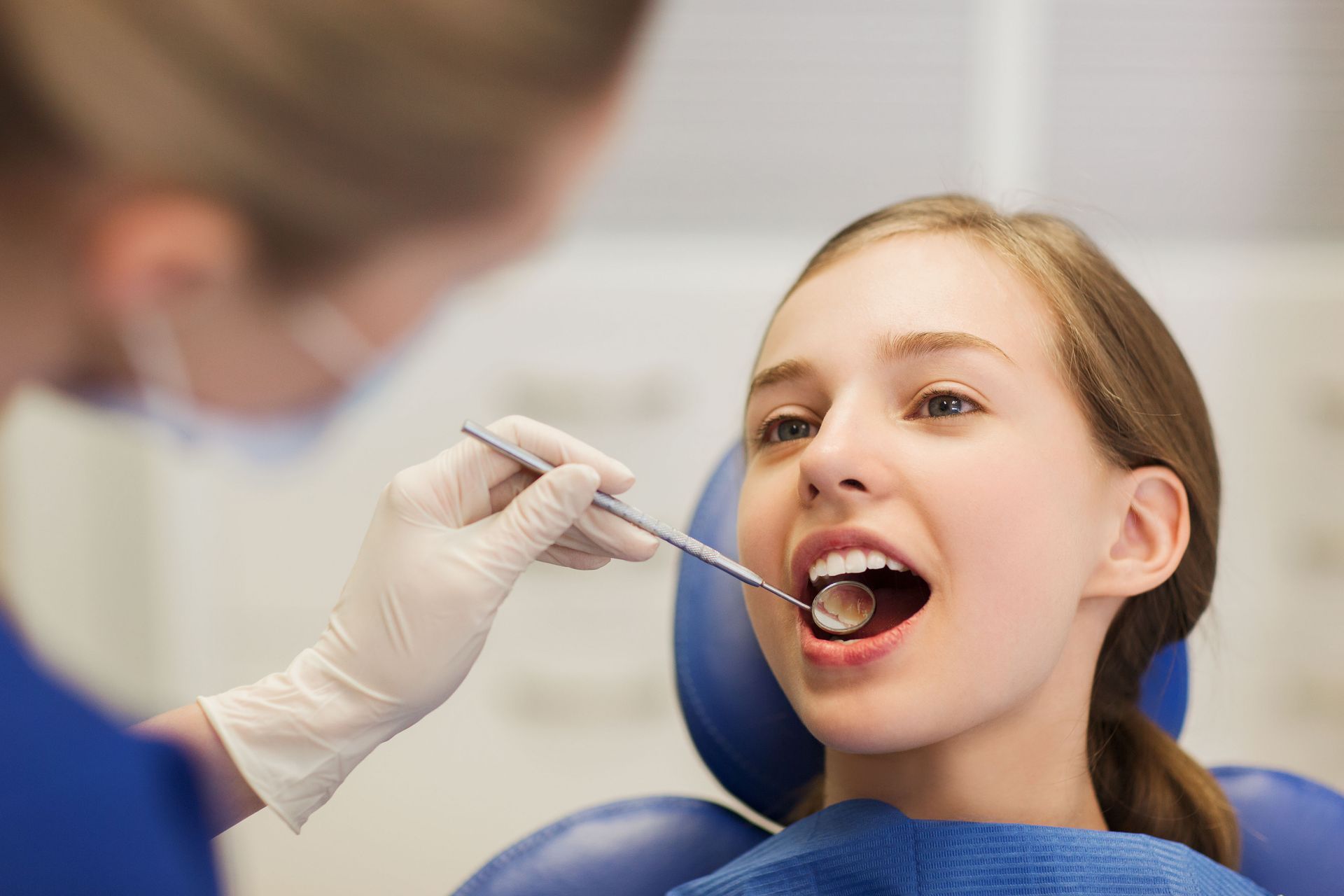
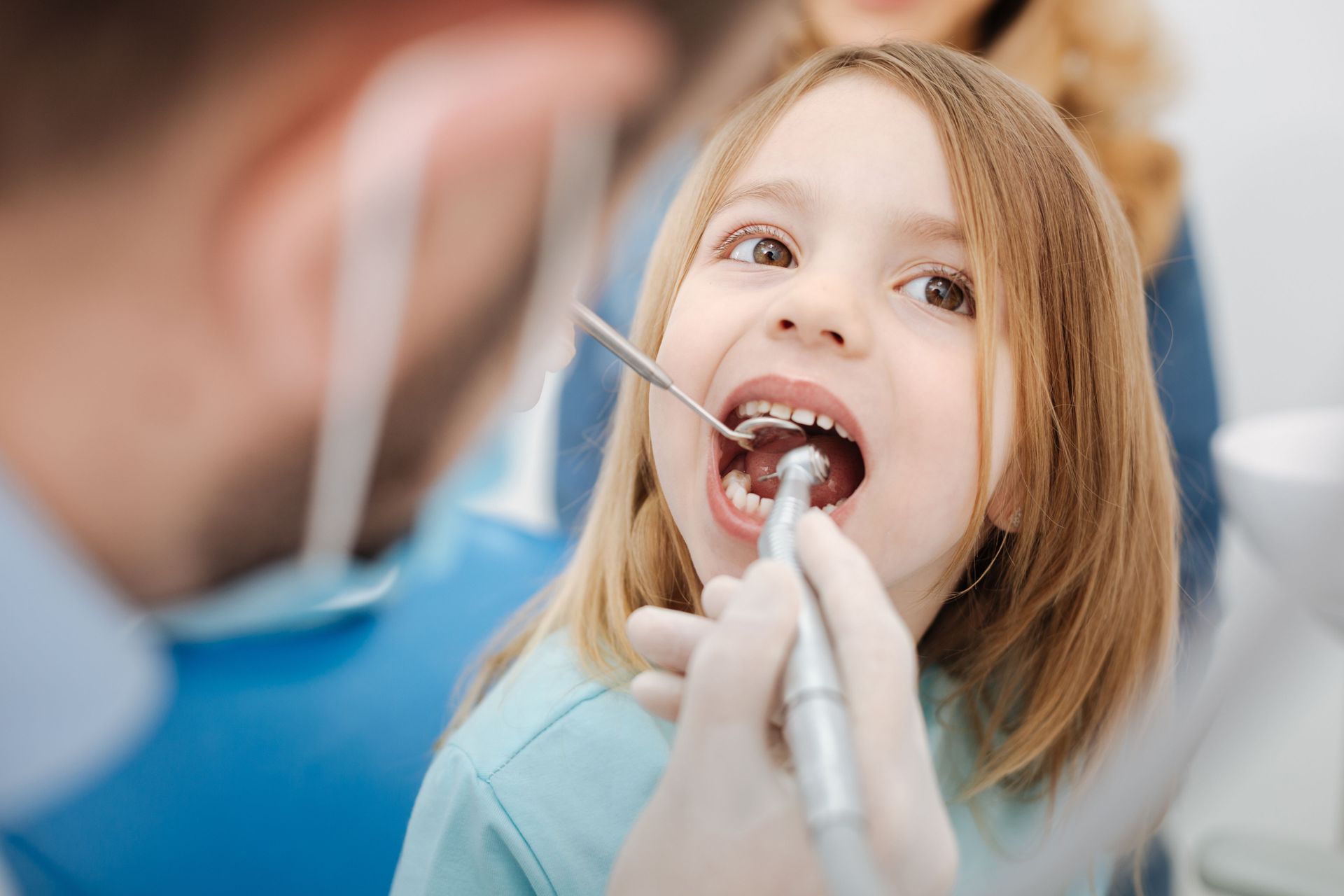
Children require dental care that accommodates their developing teeth, changing oral structures, and emotional comfort. Experienced dental professionals use age-appropriate explanations and supportive techniques to make appointments more approachable. Preventive services may include fluoride applications, sealants, cavity evaluations, and guidance on proper brushing habits. Regular visits also allow providers to monitor tooth eruption, jaw development, and potential orthodontic concerns.
Older adults may experience gum recession, dry mouth, tooth loss, or difficulties maintaining oral hygiene. Dental professionals can recommend suitable treatments and preventive strategies based on individual circumstances. Patients with disabilities or mobility limitations may require additional accommodations during appointments. Families should ask whether a practice offers accessible entrances, appropriate treatment equipment, and assistance with communication or positioning. Selecting an accommodating office can make ongoing dental care more comfortable and manageable for everyone.
Strengthening Community Connections
Choosing local dentists can contribute to the economic and social well-being of a neighborhood. Community-based practices create employment opportunities, purchase goods and services, and help maintain access to essential healthcare resources. Supporting nearby businesses encourages economic activity and strengthens connections among residents.
Some dental offices participate in school presentations, community wellness events, and charitable outreach programs. These activities can improve awareness of oral hygiene and help residents understand the importance of preventive care. Community involvement also allows dental professionals to develop relationships with families outside traditional clinical settings. Through educational initiatives and volunteer opportunities, dental practices may help underserved populations learn about available healthcare resources. Their participation demonstrates how neighborhood healthcare providers can contribute to broader community wellness beyond routine appointments.
Exploring Modern Dental Treatment Options
Advancements in dental technology have expanded the range of treatments available to patients. Depending on the practice, services may include digital imaging, tooth-colored restorations, clear aligner consultations, and cosmetic improvements. These options can address both functional concerns and personal appearance goals.
According to Forbes Health, 29% of individuals who felt influenced by social media to improve their teeth considered visiting a dentist for professional clear aligners such as Invisalign. This finding illustrates growing interest in cosmetic dental solutions. However, treatment decisions should prioritize professional evaluations, individual oral health needs, and realistic expectations rather than appearance trends alone. Patients should discuss potential benefits, limitations, maintenance requirements, and costs before beginning treatment. Understanding available technologies helps families determine which services align with their priorities and long-term dental health objectives.
Families who establish a dependable relationship with local dentists may find it easier to maintain preventive routines and address concerns promptly. Choosing a provider involves balancing convenience, professional expertise, communication, and individual needs. Ultimately, a reliable dental practice can support healthier habits, greater confidence, and improved access to care for the entire household. Contact our team at Wilmington Pediatric Dentistry today and get connected to a welcoming environment where children can receive personalized dental care that supports healthy smiles as they grow.